This article is for general informational and educational purposes only and does not constitute legal advice. Reading this article does not create an attorney-client relationship. Laws vary by state and change over time. For your specific situation, consult a licensed attorney in your jurisdiction.
A car accident lawyer is often the difference between a lowball insurance offer and a settlement that actually covers your medical bills and lost income. If you’ve just been in a crash, here’s what you need to know about the process and when it makes sense to call one.
What to Do in the First 24 Hours
- Call 911 and request a police report, even for minor-seeming crashes
- Seek medical evaluation, even if you feel “fine” — adrenaline can mask injuries
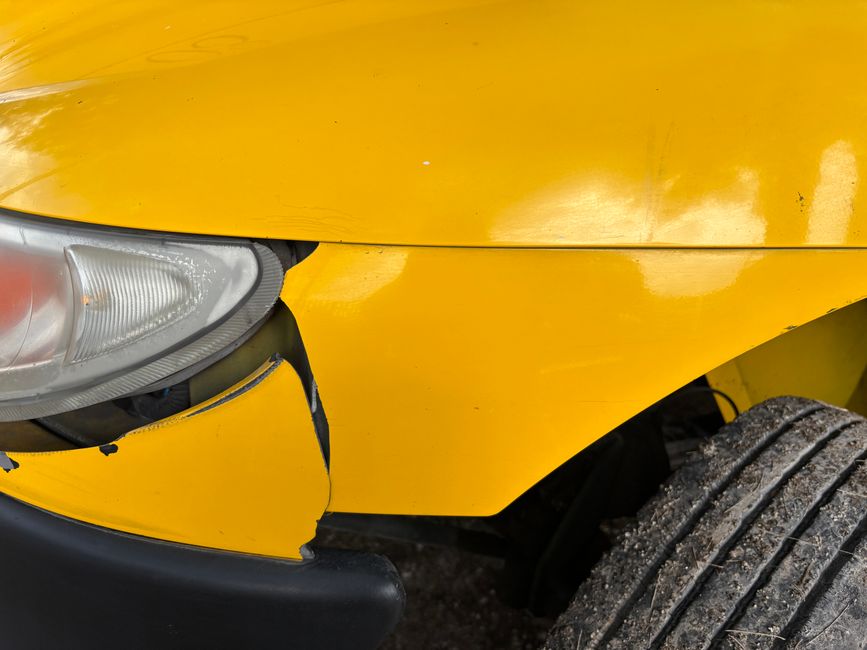
- Photograph the vehicles, the scene, road conditions, and any visible injuries
- Exchange insurance information, but avoid discussing fault at the scene
- Get names and phone numbers of any witnesses
- Notify your own insurer, but be cautious about giving a recorded statement before speaking with an attorney
Why Insurance Adjusters Move Fast
Insurance companies often reach out within days of a crash, sometimes with an early settlement offer. This isn’t a coincidence — the earlier a claim is settled, the less likely the full extent of injuries has been documented, and the lower the payout tends to be. A personal injury attorney can help you avoid signing away your claim before you understand what it’s actually worth.
Fault and Comparative Negligence
Most states use some form of comparative negligence, meaning your compensation can be reduced by your percentage of fault, and in some states, barred entirely if you’re found more than 50% at fault. Because these rules vary considerably, how fault gets determined and disputed is one of the most important things a car accident lawyer evaluates early in your case.
What Compensation Can Cover
| Category | Examples |
|---|---|
| Economic damages | Medical bills, lost wages, vehicle repair or replacement |
| Non-economic damages | Pain and suffering, emotional distress, loss of enjoyment of life |
| Future damages | Ongoing treatment, reduced earning capacity |
Common Mistakes After a Car Accident
- Delaying medical treatment
- Accepting a quick settlement before injuries are fully diagnosed
- Posting about the crash or your recovery on social media
- Not keeping records of missed work and out-of-pocket expenses
- Giving a recorded statement without legal guidance
When to Call a Lawyer
Consider a consultation if you were injured beyond minor first aid, if fault is disputed, if multiple vehicles were involved, or if the insurer denies or undervalues your claim. Most firms offer a free legal consultation, and most work on a contingency fee lawyer basis — no upfront cost, and payment only if your claim succeeds.
How Insurers Put a Number on a Car Accident Claim
Adjusters rarely start from what a crash cost you emotionally. They start from
documented, provable numbers — what the industry calls special damages. Medical
bills, prescription costs, mileage to appointments, and verifiable lost wages form the
base of the claim, and everything else is argued outward from there.
For non-economic damages, many adjusters historically applied a multiplier: the total
of your medical bills multiplied by a figure that scales with injury severity. Soft-tissue
injuries that resolve in weeks sit at the low end; injuries involving surgery, permanent
hardware, or lasting limitation sit far higher. Most large insurers now run claims through
software that scores the file based on diagnosis codes, treatment duration, and dozens of
other inputs, but the underlying logic is similar — thin documentation produces a
thin valuation, no matter how difficult the recovery actually was.
This is why gaps in treatment matter so much. A three-week break between appointments
is routinely read by an adjuster as evidence that you had recovered, even when the real
reason was a scheduling backlog, a copay you couldn’t cover that month, or simply trying
to get back to work.
Property Damage and Injury Are Two Separate Tracks
People often assume a car accident claim is one file. In practice, the property damage
claim (repair or total-loss value on the vehicle) and the bodily injury claim usually move
on separate timelines with different adjusters. Property damage tends to resolve within
weeks, because the numbers are easy to verify.
Settling the vehicle claim does not settle the injury claim, and accepting a repair
check is generally routine. The document to read carefully is any release attached to a
bodily injury payment — a signed general release typically closes the injury claim
permanently, including for symptoms that worsen later.
Building the Medical Record That Supports Your Claim
- Tell every treating provider that the injury came from a motor vehicle collision, and
make sure it appears in the chart — causation disputes often turn on this line - Describe every symptom at each visit, not just the worst one; undocumented complaints
are frequently treated as if they never existed - Follow the treatment plan, and if you can’t attend an appointment, ask that the reason
be noted in the record - Keep out-of-pocket receipts, including braces, crutches, over-the-counter medication,
and transportation costs - Ask your employer for written confirmation of missed days and lost pay rather than
estimating from memory
What a Demand Package Contains
Once treatment stabilizes, an attorney typically assembles a demand package: a letter
setting out liability and damages, supported by the police report, medical records and
billing, wage-loss documentation, photographs, and any witness statements. The insurer
reviews the package and responds with an offer, a denial, or a request for more
information. Negotiation from that point is usually a series of counteroffers rather than
a single conversation.
If the Insurer Denies or Stalls
A denial is not automatically the end of a claim. Common responses include supplying
additional medical evidence, obtaining an opinion addressing a disputed causation
question, escalating above the assigned adjuster, or filing suit before the statute of
limitations expires so the claim stays alive. Some states also regulate unreasonable claim
handling through bad-faith or unfair claims practices rules, though what qualifies and
what remedies exist vary considerably.
Who Pays for Treatment While the Claim Is Pending
One of the most common surprises after a crash is that the at-fault driver’s insurer
does not pay medical bills as you incur them. It generally pays once, at the end, as part
of a settlement. In the meantime, treatment is usually funded through some combination of
the following.
| Source | How It Typically Works |
|---|---|
| Health insurance | Pays under your normal plan terms, then commonly asserts a right to reimbursement from any settlement |
| Medical payments coverage | An optional auto coverage that pays certain medical costs regardless of fault, usually with modest limits |
| Personal injury protection | Required in no-fault states, covering medical costs and sometimes lost wages up to a limit |
| Letter of protection | A provider agrees to treat and be paid from the eventual recovery |
Using health insurance is often the practical choice even where another driver was
clearly at fault, because the negotiated network rate is usually far lower than a
provider’s billed charge, and lower bills mean less to repay out of a settlement.
Total Loss Valuation and Diminished Value
A vehicle is generally declared a total loss when repair cost approaches or exceeds a
percentage of its pre-crash value, a threshold that varies by state. The payout is based on
actual cash value — what the vehicle was worth immediately before the crash —
not what you owe on it or what a replacement now costs.
Valuations are usually built from comparable local listings, and they are negotiable.
Recent tires, documented maintenance, low mileage, and trim level are all worth raising with
supporting documentation. Where a repaired vehicle is worth less afterward simply because it
now carries an accident history, some states recognize a separate diminished value claim
against the at-fault driver’s insurer, though availability and proof requirements vary
considerably.
When the At-Fault Driver Cannot Be Identified
Hit-and-run crashes are usually handled as uninsured motorist claims under your own
policy, if you carry that coverage. Two practical points matter: many policies require
prompt notice, often within a short window, and some states require either physical contact
between vehicles or independent corroboration for a phantom-vehicle claim where nothing was
struck. Filing a police report quickly is typically a policy condition as well as useful
evidence.
Frequently Asked Questions
Do I need a police report to file a claim?
It strengthens your case significantly, though claims can sometimes proceed without one using other evidence.
What if the other driver was uninsured?
Your own uninsured motorist coverage, if you carry it, may apply — coverage and rules vary by state and policy.
How long does a car accident claim take to settle?
Simple, clear-liability claims may resolve in a few months; disputed or serious-injury claims often take a year or more.
Should I accept the insurance company’s first offer?
It’s worth having an attorney review any offer before accepting, since first offers are often below the claim’s full value.
What is the statute of limitations for a car accident claim?
It varies by state, generally one to six years. Confirm the specific deadline for your state with a licensed attorney.
Do I have to give the other driver’s insurer a recorded statement?
Generally you are not obligated to give a recorded statement to the other driver’s insurer, though your own policy may require cooperation with your insurer. Many attorneys advise getting legal guidance before either one.
Will my premium go up if I file a claim?
That depends on your state, your insurer, and whether you were at fault. Rating rules vary, and a not-at-fault claim is treated differently than an at-fault one in many states.
What if I was partly at fault for the crash?
Most states allow reduced recovery based on your share of fault, though some bar recovery entirely above a threshold. The specific rule in your state determines how much it affects a claim.
Is a lawyer worth it for a minor fender bender?
For clear-liability crashes with no injury and only vehicle damage, many people handle the claim themselves. Legal help becomes more valuable once injuries, disputed fault, or a denied claim are involved.
How long after a crash can symptoms still be related to it?
Some injuries, particularly soft-tissue and concussion-related ones, commonly surface days after a collision. Prompt evaluation and consistent documentation help connect later symptoms to the crash.
What does a car accident lawyer cost?
Most work on contingency, meaning no upfront fee and a percentage of any recovery, commonly in the 33% to 40% range. Ask specifically how case costs are handled if the claim does not succeed.
[internal link: personal injury lawyer complete guide] · [internal link: how contingency fees work]
Final Thoughts
A car accident claim moves quickly once the insurance company is involved. Documenting the scene thoroughly, seeking prompt medical care, and consulting a car accident lawyer before signing anything are the three habits that protect a claim’s value most.
This article is for general informational and educational purposes only and does not constitute legal advice. Reading or sharing this article does not create an attorney-client relationship between you and duocorner.com, its contributors, or any affiliated party. Laws and procedures vary substantially by state and change frequently. For advice about your specific circumstances, consult a licensed attorney in the state where the relevant events occurred.